
The first-year baby budget: where parents overspend
What genuinely adds up in year one, and the tempting buys that a baby outgrows before you've found the receipt.
The costs that genuinely add up
Some first-year costs are unavoidable and steady. Nappies are the classic example: they can run into the hundreds of dollars over the year, and there's no second-hand shortcut for those. Feeding, whether formula or the equipment around breastfeeding, is another line that just keeps ticking.
The Australian Institute of Family Studies budget-standards work put a minimum healthy standard of living at roughly $140 to $170 per child per week for low-income families (AIFS, 2018). Consumables like these are most of that number, and they're the part you plan around rather than avoid.
Where the overspend hides
The regret purchases are almost always the durable-looking ones bought new: the pram that got used a dozen times, the newborn wardrobe outgrown in a season, the bouncer, the fancy bassinet, the shoes a non-walking baby never needed.
None of these are wrong to want. They're just wrong to buy new at full price, because a baby uses each of them for a blink. Bought pre-loved, most are 30 to 60 percent cheaper and, crucially, you can sell them on afterwards and get a chunk of that back.
Buy new, buy pre-loved, or borrow
Buy new: nappies, feeding gear, anything that touches skin long-term, and the car seat unless you can verify its history.
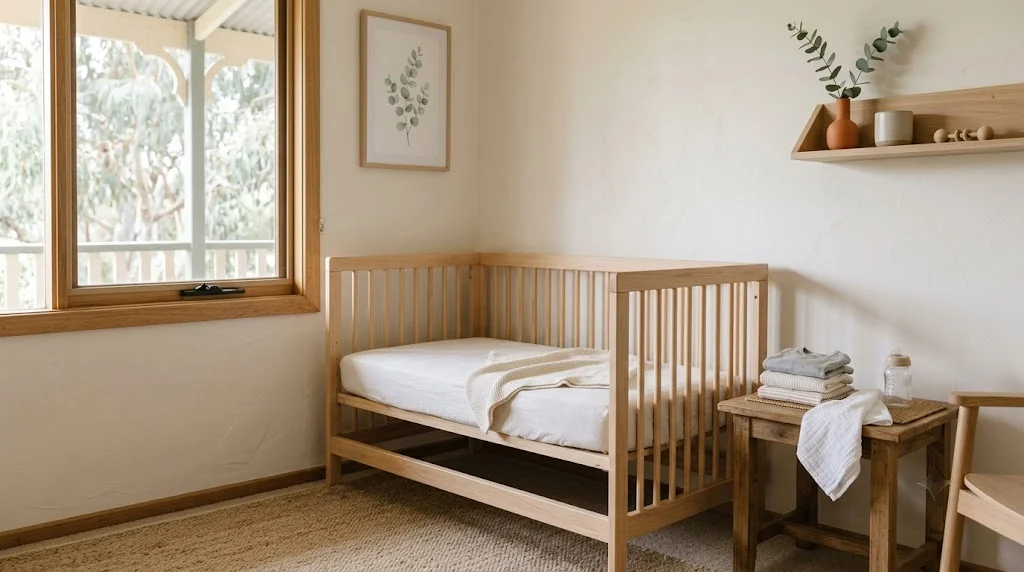
Buy pre-loved: clothing, prams, carriers, cots that meet the standard, toys, books, and the newborn kit you'll use for weeks.
Borrow: the newborn-only items, from a sibling or a friend who's just come out the other side.
A saner way to budget
Split your list in two before the baby arrives: the steady consumables you'll pay for month after month, and the one-off items you only need for a phase. Fund the first from your regular budget, and cover the second with pre-loved wherever safety allows. It's the single biggest lever a new parent has.
References
Nappy and consumable ranges vary by brand and baby, so treat any single dollar figure as a guide, not a quote.
- Australian Institute of Family Studies, New estimates of the costs of raising children in Australia (2018) (minimum weekly cost per child; also documents parents relying on second-hand and hand-me-downs).
- Canstar, How to afford a baby (first-year and ongoing baby cost context).
Related reading
Spend on the day-to-day, not the outgrown
Kit out the nursery with pre-loved pieces other parents have moved on, then pass yours on in turn.
Shop the marketplace